Brahmin Heritage
A living tradition of wisdom, ritual and devotion
Known locally as Bamuns, Assamese Brahmins have served for over a millennium as priests, scholars, astrologers and custodians of Vedic learning along the banks of the Brahmaputra.
Brahmins in Assam
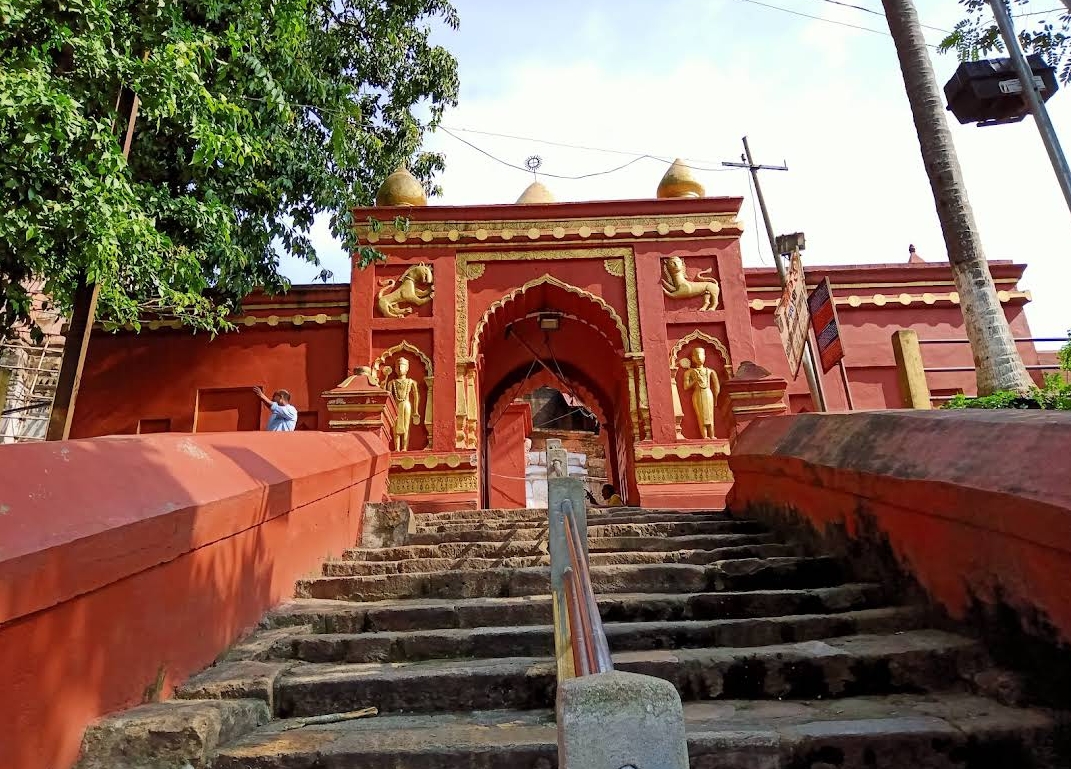
Early Aryan presence in the Assam region is suggested in the Mahabharata and the Puranas through the legendary Pragjyotisha kingdom and its ruler Naraka. Documented Brahmin settlement, however, emerges with the epigraphic record of the Varman dynasty (c. 350–650 CE), rulers of ancient Kamarupa.
The Nidhanpur copper-plate of Bhaskaravarman and the Doobi grant of Bhutivarman detail land donations to more than two hundred Brahmins, establishing agraharas (Brahmin settlements) and inviting scholars from Mithila, Kanauj, Pundra Vardhana and later Kashmir to propagate Vedic learning, Sanskrit and ritual.
Under the medieval Koch and Ahom dynasties the community grew further. The Ahom king Sudangphaa, raised in a Brahmin household and remembered as Bamuni Konwar, inducted Brahmins as royal advisors; Jayadhwaj Singha formally embraced Hinduism; and rulers such as Rudra Singha and Siva Singha brought fresh waves of Brahmins from Kanauj, securing the community's enduring role as cultural intermediaries in Assam.
Practices that shape daily life
Sandhyāvandanam
The thrice-daily twilight rite at dawn, noon and dusk — ablutions, prāṇāyāma and japa of the Gāyatrī mantra from the Rigveda, performed by initiated Brahmins wearing the yajñopavīta.
Pañca-mahāyajña
The five daily sacrifices prescribed in the Manusmṛti — offerings to deities, ancestors, fellow beings, guests and to knowledge through Vedic recitation.
Tantric Shakta Synthesis
A distinctive Assamese synthesis of Vedic orthodoxy with goddess-centred Tantric worship, most visibly at Kamakhya and during the annual Ambubachi (Amati) observance.
Svādhyāya
Systematic study and chanting of Vedic texts — particularly branches of the Yajurveda prevalent in eastern India — sustaining the unbroken oral tradition.
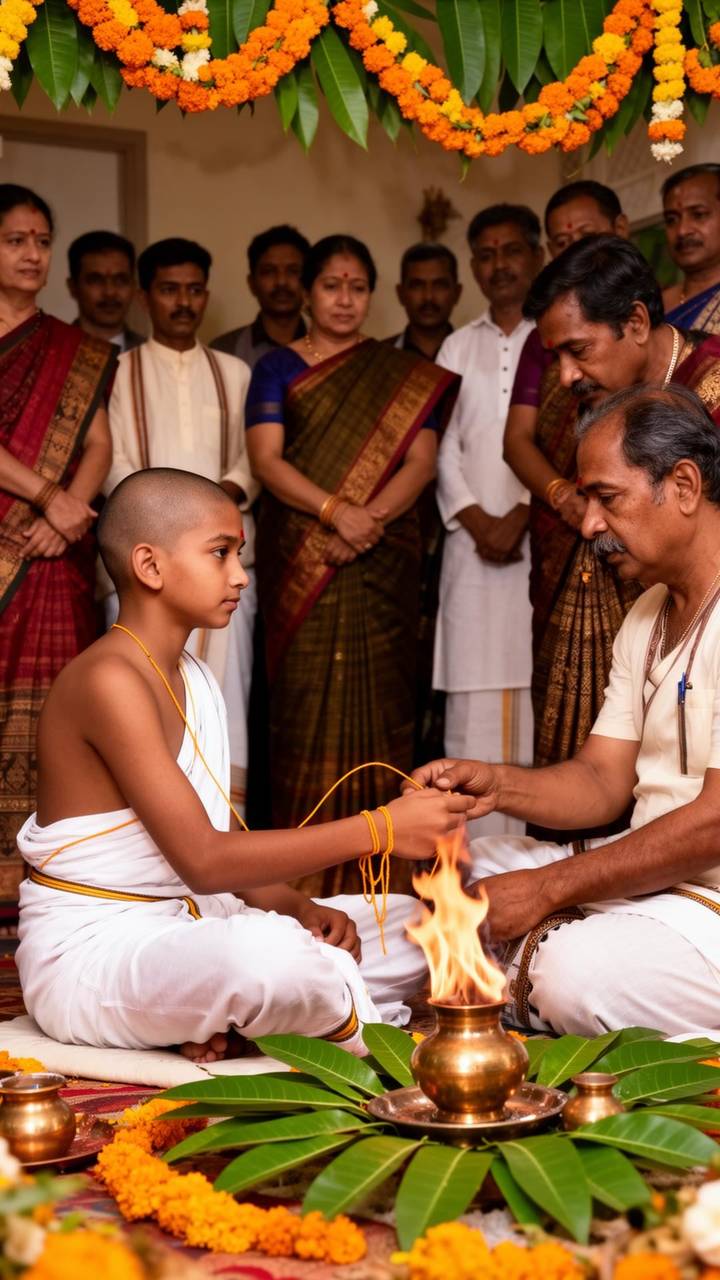
Life-cycle rites of the Kāmarūpa school
Celebrations that bind us
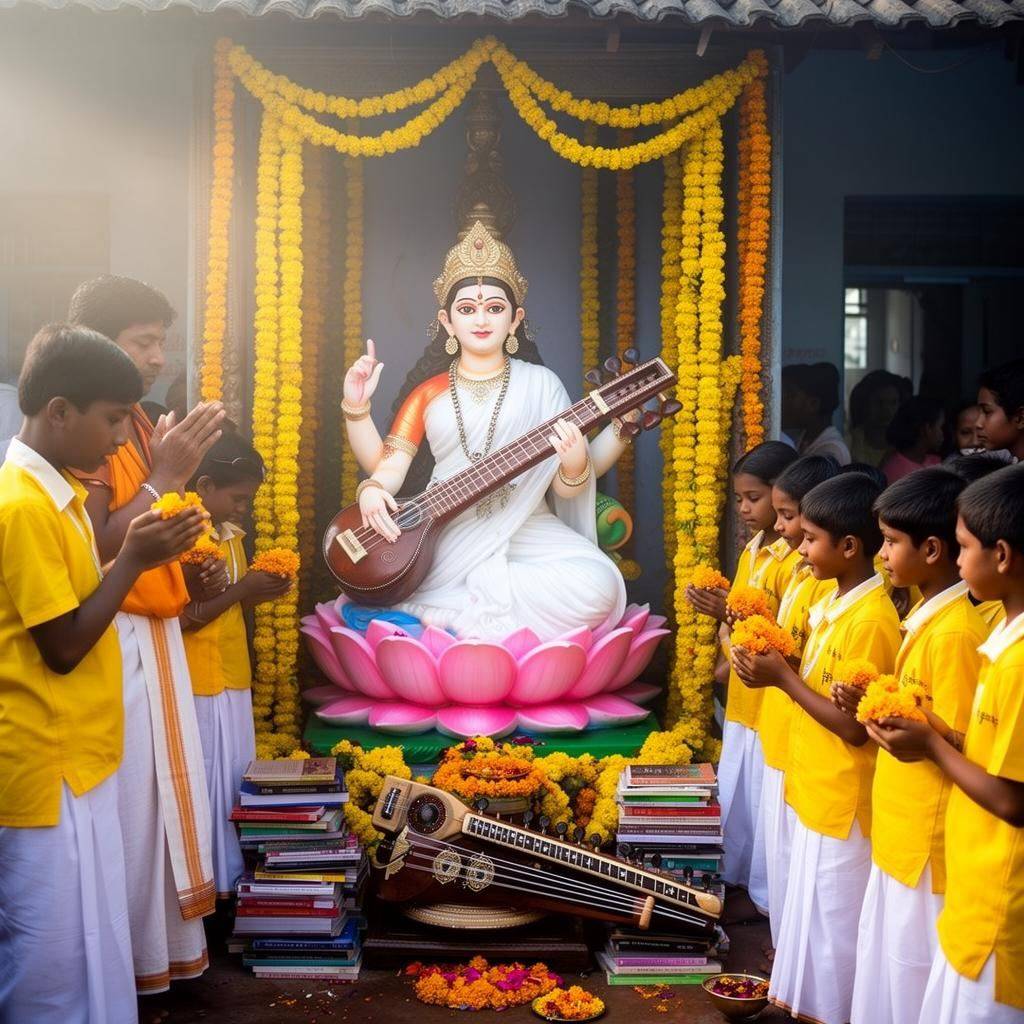
Vasanta Panchami · Jan–Feb
Saraswati Puja
Worship of the goddess of wisdom, learning and the arts; books, instruments and tools of study are placed at her feet by scholars and students.
Ashwin · Sep–Oct
Durga Puja
The grand autumn celebration of Maa Durga's victory over evil, observed across Assam with pandal worship and Brahmin-led ritual sequences.
Bhadra · Aug–Sep
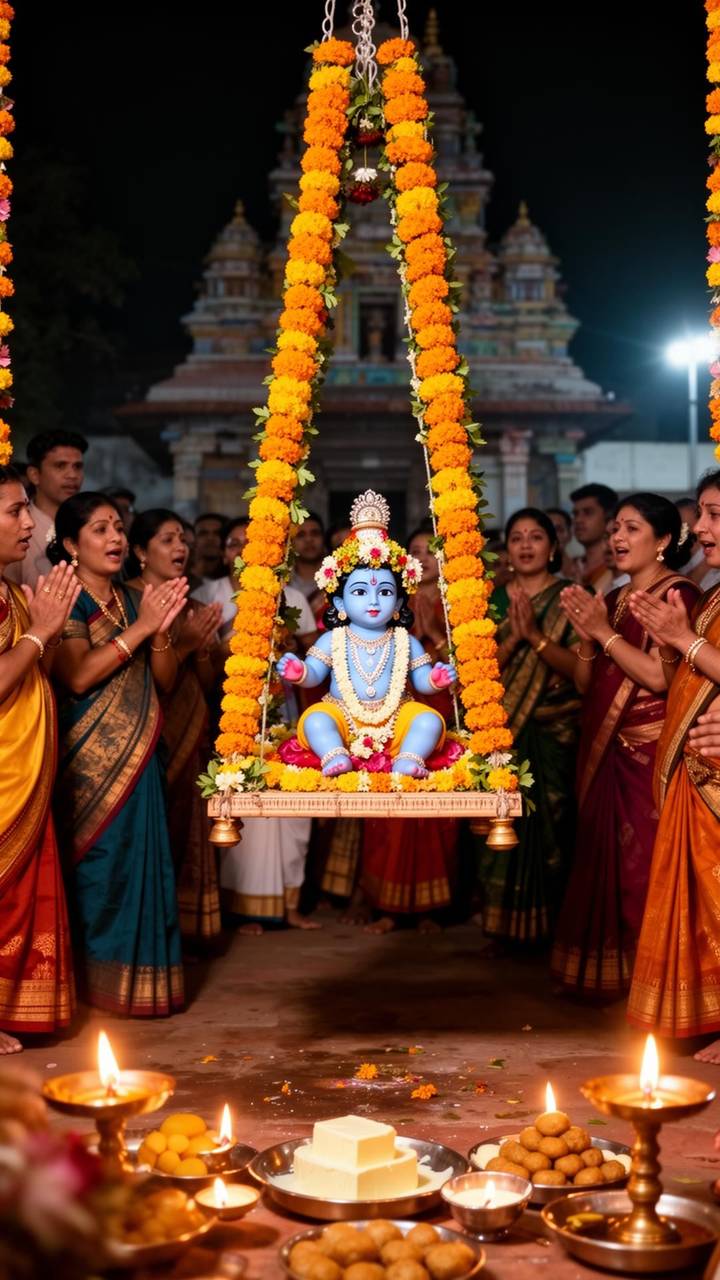
Janmashtami
Midnight observance of Lord Krishna's birth with abhisheka, kirtan and devotional storytelling from the Bhagavata Purana.
Phalguna · Feb–Mar
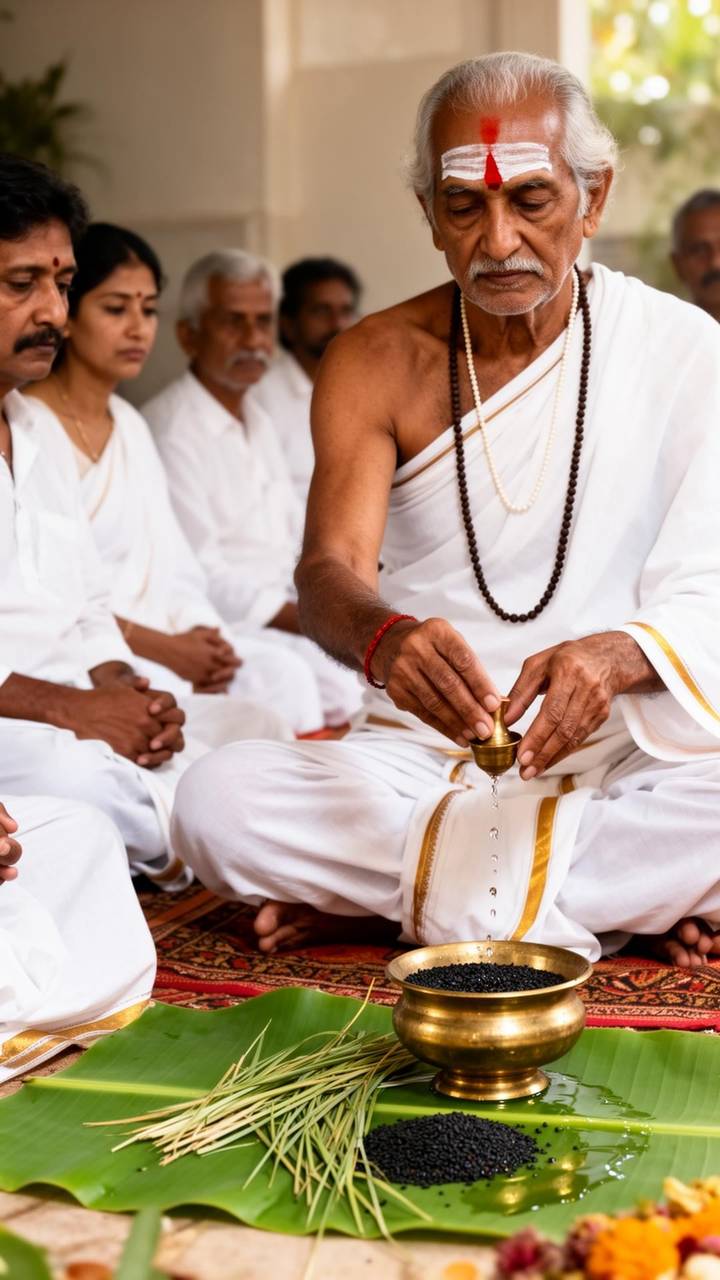
Maha Shivaratri
Night-long vigil for Lord Shiva with fasting, jāgaraṇa and abhiṣekam at temples such as Umananda and the historic Shiva temples of upper Assam.
Āshāḍha · June
Ambubachi Mela (Amati)
A distinctly Assamese observance at the Kamakhya temple — the goddess is said to menstruate, the doors close for four days, and on reopening Brahmin officiants lead purification rites and distribute the sacred raktavastra cloth.
Pillars of devotion across Assam
From the Shakti Peetha of Kamakhya to riverine shrines and astronomical seats, these temples are the heart of our spiritual landscape.
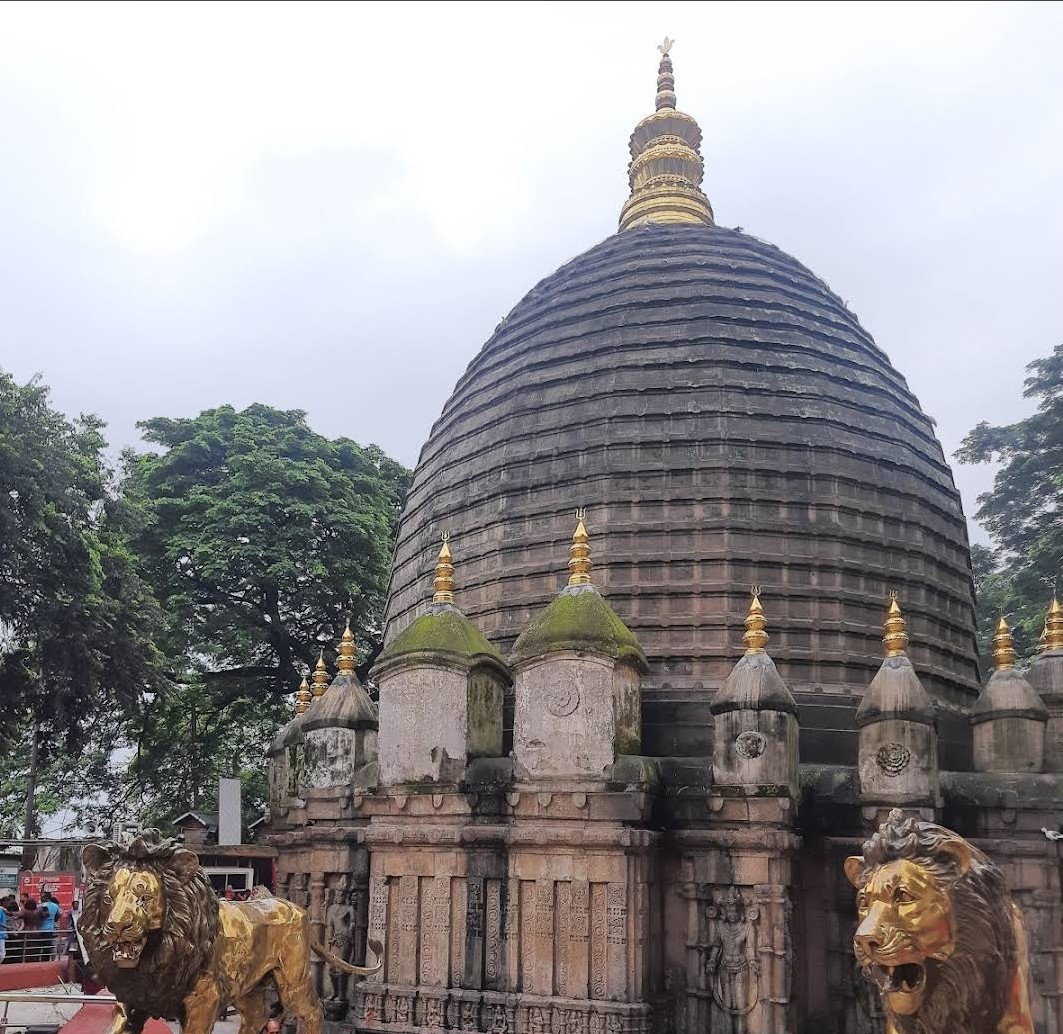
Kamakhya Temple
Nilachal Hills, Guwahati
One of the 51 Shakti Peethas and a foremost centre of Tantric Shakta worship, where Brahmin priests have for centuries officiated rites unique to the goddess of fertility and śakti.
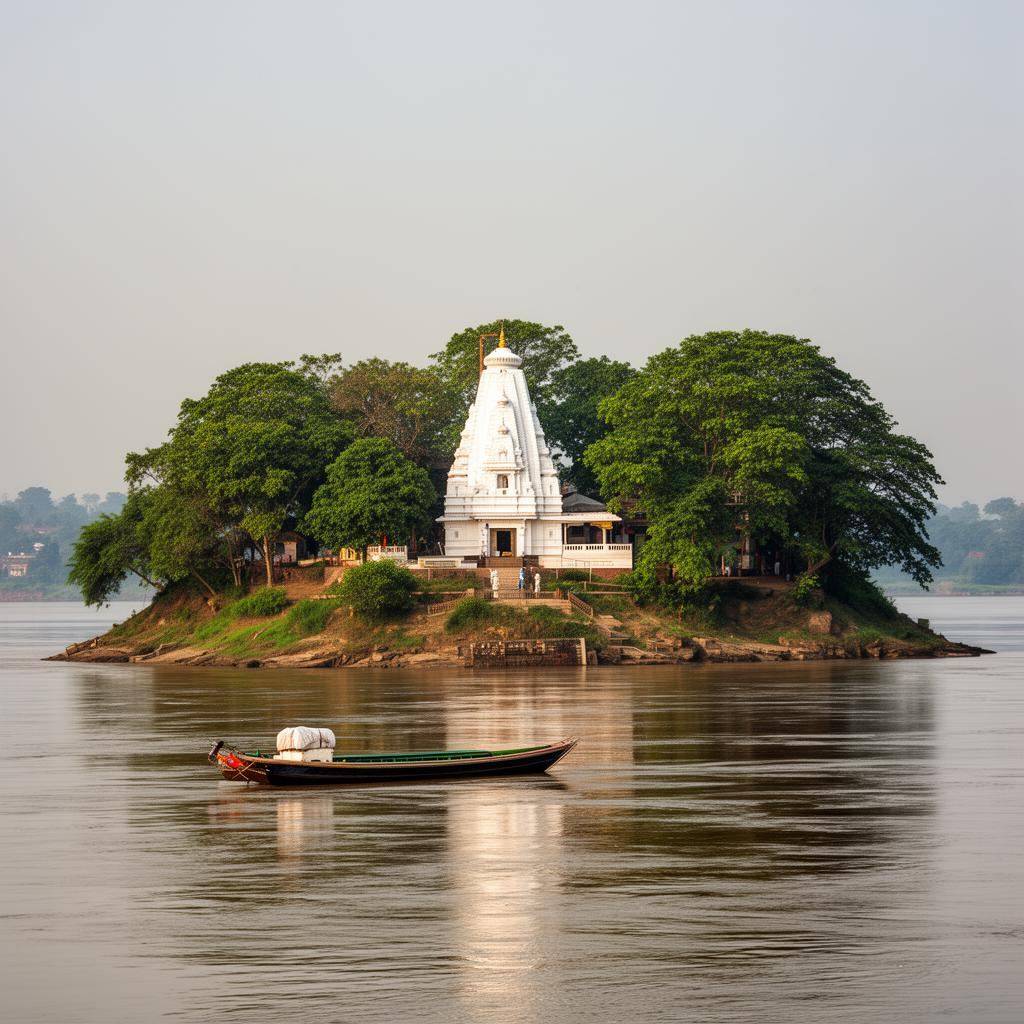
Umananda Temple
Peacock Island, Brahmaputra
A Shiva temple set on the world's smallest inhabited river island, established in the 17th century during the Ahom period as patronage of Brahmanical worship deepened.
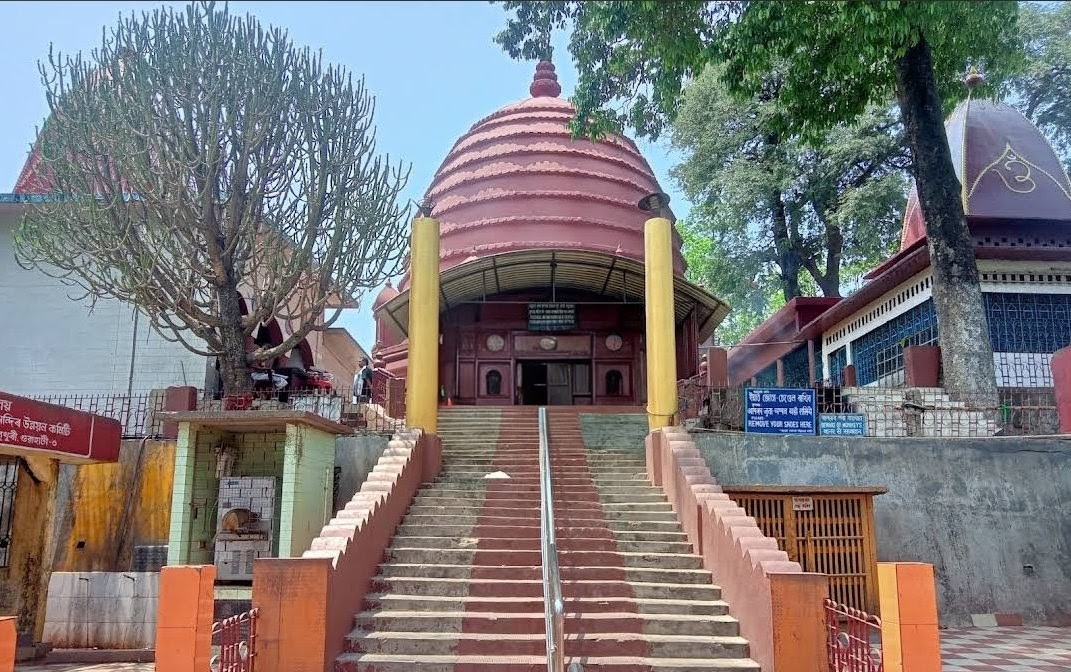
Navagraha Temple
Chitrachal Hill, Guwahati
Dedicated to the nine celestial bodies and historically a renowned seat of Jyotisha — the astronomical and astrological science cultivated by the Ganak subgroup of Assamese Brahmins.
Centres of Sanskrit learning
For centuries, Assamese Brahmins sustained tols — traditional Sanskrit seminaries — where the classical disciplines were taught and transmitted.
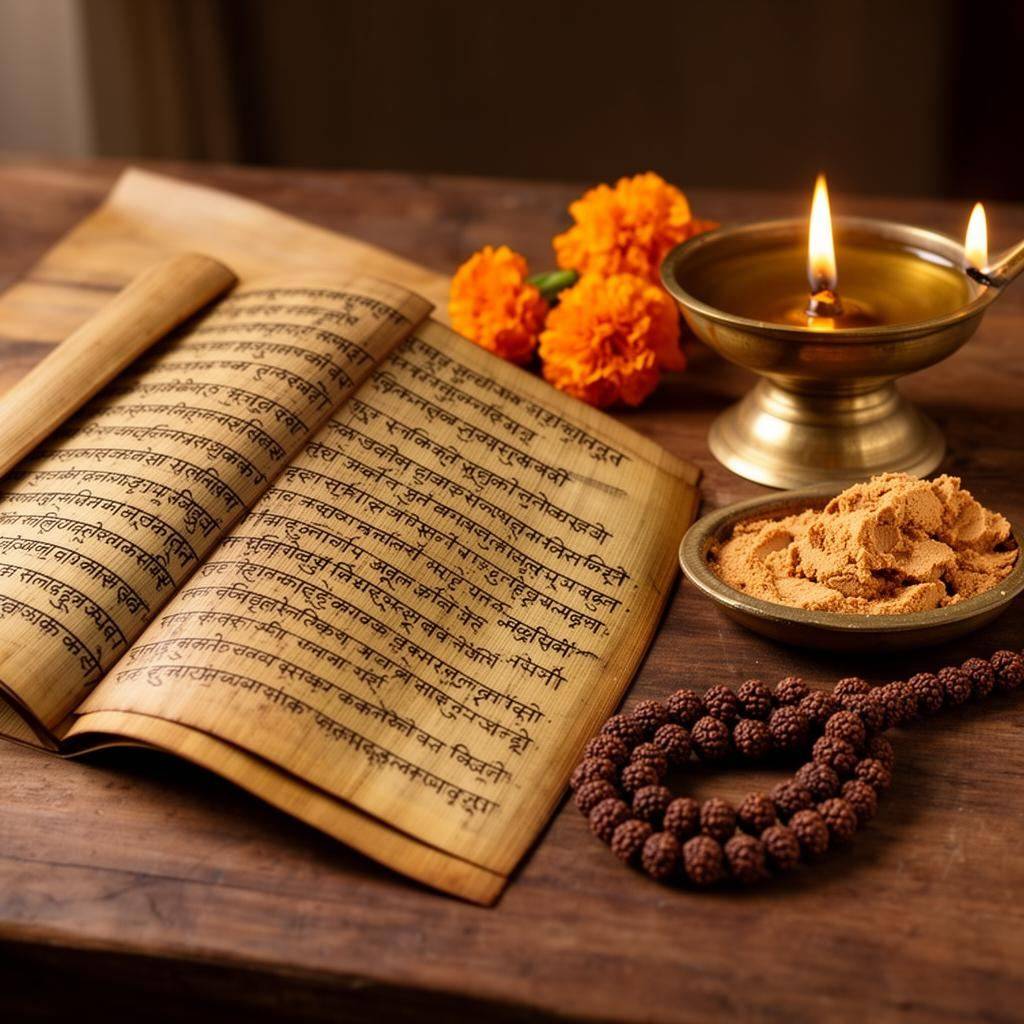
Vyākaraṇa — Sanskrit Grammar
Foundational grammar of Pāṇinian tradition, taught for centuries in the tols of Assam as the gateway to all higher Vedic learning.
Nyāya — Logic & Reasoning
The classical Indian science of reasoning, debate and epistemology, central to the training of Brahmin scholars and priests.
Smṛti — Dharmaśāstra
Jurisprudence and ritual law drawn from texts of the Kāmarūpa school, governing samskaras, family customs and community conduct.
Jyotiṣa — Astronomy & Astrology
Calendrical and astronomical computations that determined ritual timing, agricultural seasons and festival dates — the specialty of the Ganak subgroup.
Āyurveda — Traditional Medicine
Knowledge of herbal therapies and dietary regimens preserved through priestly and family lineages, adapted to Assam's distinct flora.
Vedic Recitation & Stotras
Memorised chanting of Vedic portions and Sanskrit stotras, the rhythmic foundation that has carried scripture intact across generations.